What to know about rubbish removal for narrow Finchley lanes
Posted on 24/08/2026
If you live or work on one of Finchley's narrower lanes, rubbish removal can feel oddly complicated for something so ordinary. The pile is there, the skip looks tempting, the collection day is ticking closer - and yet the access is tight, parked cars are everywhere, and the thought of a lorry trying to swing round that corner is enough to make anyone pause. That is exactly why What to know about rubbish removal for narrow Finchley lanes matters. The job is not just about clearing waste; it is about doing it safely, legally, and without turning a small access problem into a bigger headache.
This guide walks through how narrow-lane rubbish removal actually works in Finchley, what to check before booking, the mistakes people make in a hurry, and the practical steps that help everything run more smoothly. If you are clearing a flat, a house, a loft, a shop, or a small office near a tight residential road, you will find the useful stuff here - not fluff, not theory. Just the kind of advice that saves time, money, and a bit of stress.

Why What to know about rubbish removal for narrow Finchley lanes Matters
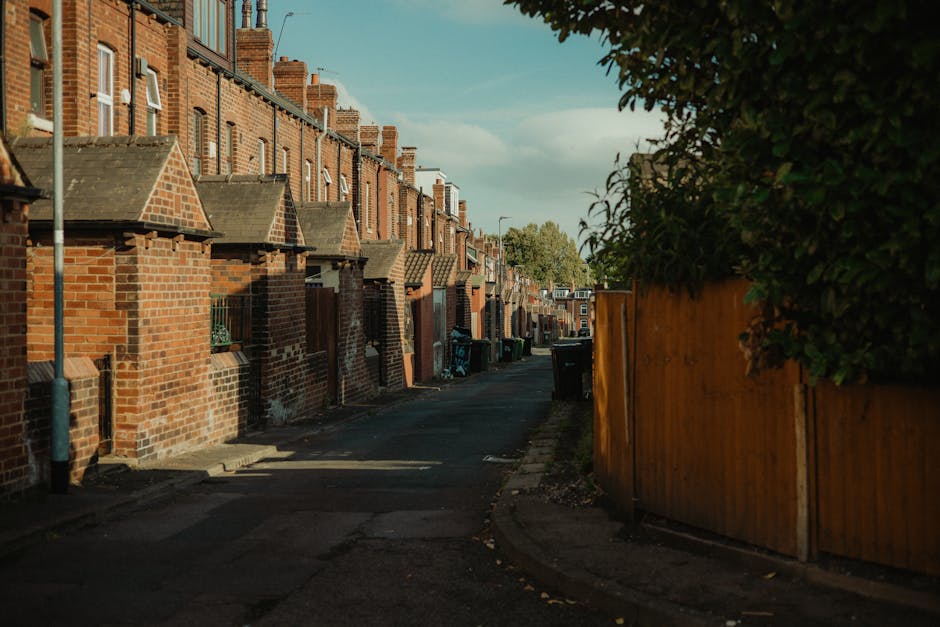
Narrow lanes change everything. A route that looks fine on a map can be awkward in real life, especially in parts of Finchley where the streets were never designed for modern collection vehicles, frequent deliveries, or a row of bulky items left outside a front door. In places like this, rubbish removal is not simply a matter of arrival and uplift. It becomes a small logistics exercise.
Why does that matter? Because access affects safety, timing, cost, and the type of service that can be used. A team may need to park farther away, carry items by hand, break down bulky waste before loading, or send a smaller vehicle instead of a larger one. If that is not planned in advance, a straightforward clearance can become frustrating very quickly. And let's face it, nobody wants a waste truck idling at the end of a lane while everyone works out where the sofa actually goes.
Finchley's mixture of terraced streets, side roads, mews-style access points, and busy residential parking means the "normal" rubbish collection experience often needs a bit of adaptation. That is why local knowledge matters. It helps the crew arrive prepared, and it helps you avoid paying for preventable delays. If you want a broader sense of local context, the background reading in a local's view of Finchley is useful for understanding how the area's streets and homes shape everyday services.
Expert summary: On narrow Finchley lanes, the best rubbish removal is the one that has already planned for access, parking, lifting distance, and waste type before the truck arrives.
How What to know about rubbish removal for narrow Finchley lanes Works
The process is usually more practical than dramatic, but it does need a bit of thought. In most cases, you begin with a description of what needs removing and how easy it is to reach. A good provider will ask about the lane width, parking restrictions, stair access, gate access, and whether the waste is inside or outside the property. That sounds obvious, but you would be surprised how often the "it's just a quick load" assumption turns out not to be quick at all.
For narrow roads, the operational choices usually fall into a few patterns:
- Smaller vehicle access: A compact van may be used where larger vehicles would struggle.
- On-foot loading: Waste is carried from the property to the vehicle in manageable loads.
- Pre-dismantling: Furniture and other bulky items may be broken down first to make removal safer and faster.
- Timed arrival: Collections may be scheduled around school runs, commuter traffic, or parking windows.
- Multiple trips: Sometimes the team will load, move, and return if the lane cannot accommodate a full stop.
The cleaner the pre-booking information, the smoother the day usually goes. For example, if you are clearing old furniture from a first-floor flat on a lane with no easy turning point, say so. If the fridge is in the basement, say that too. It is not oversharing; it is planning.
Some jobs can be handled as part of local rubbish collection in Finchley, while others fit better under a broader waste removal service when there is mixed material, heavier lifting, or access issues. The right fit depends on the load, the property, and the lane itself.
Key Benefits and Practical Advantages
There is a reason people in tight-access streets often prefer professional rubbish removal over trying to do it all themselves. It is not only about convenience. The practical benefits stack up quite quickly once you look at the real conditions on the ground.
- Less risk of blocked access: Proper planning avoids leaving items in a position where neighbours, emergency access, or deliveries are affected.
- Safer lifting and carrying: Heavy or awkward waste can be moved with fewer injuries and less strain.
- Cleaner turnaround: Items are loaded and taken away in one go, which is especially useful when space is limited.
- Reduced disruption: Good coordination means less noise, less clutter, and less time with bags or furniture sitting outside.
- Better chance of correct sorting: Mixed waste, reusable items, recyclables, and specialist materials can be separated properly.
For many Finchley households, the real advantage is mental space. A loft full of old boxes, a garden strip with cuttings, or a hallway cluttered with broken furniture can make a small home feel smaller. Clearing it can be a bit of a reset. Not glamorous, maybe, but oddly satisfying.
There is also the cost-control angle. If access is understood upfront, quotes are usually more accurate. That matters a great deal if you are trying to avoid surprises, which is exactly why guides like how to avoid hidden rubbish clearance charges in Finchley are worth a look before you book.
Who This Is For and When It Makes Sense
Narrow-lane rubbish removal is not just for one type of customer. It is relevant to anyone whose property access is a bit awkward - and in Finchley, that covers more people than you might think.
It makes sense if you are:
- clearing a terraced house or flat with limited street space
- disposing of broken furniture that will not fit neatly in a car
- dealing with post-renovation builders' rubble
- emptying a loft, cellar, shed, or garage
- moving office waste from a smaller commercial unit
- getting rid of garden waste where the side passage is tight
- needing a same-day pickup because items are already outside or partially dismantled
It also makes sense for landlords and agents between tenancies. One short window, a lot to remove, and a narrow lane with residents coming and going all day - that is exactly where a structured clearance helps. In that kind of scenario, there is no prize for improvising.
If you are considering a home purchase or investment in the area, access can even be part of the practical value of a property. That is one reason readers interested in local property planning often explore Finchley property essentials and property acquisitions in Finchley. The same lane that looks charming during a viewing can make clearance and maintenance more fiddly later on.
Step-by-Step Guidance
If you want the easiest possible experience, treat the job like a small project. Nothing fancy. Just a few thoughtful steps.
- Identify the waste clearly. Separate bulky items, bagged waste, recycling, electricals, garden cuttings, and anything hazardous. This gives a better idea of load type and disposal needs.
- Check the access route. Measure or estimate lane width, gate openings, stairways, and any awkward corners. Is there a low wall? A tight bend? A parked car pattern that changes by the hour?
- Note parking limits. In narrow Finchley lanes, parking can be the main bottleneck. If there is no easy stopping place, say so early.
- Tell the provider where the waste is. Front garden, top floor, loft hatch, rear yard, basement - each one changes labour and timing.
- Ask how loading will happen. Some jobs are loaded directly outside. Others need manual carry-out to a vehicle parked further away.
- Request a clear quote. Make sure the estimate reflects access, volume, and any specialist items. This helps reduce the chance of "extras" appearing later.
- Prepare the site. Move cars if needed, unlock side gates, clear a route through hallways, and keep pets or children safely away.
- Keep communication open on the day. A quick phone call about a blocked lane or a neighbour's van can save half an hour. Maybe more.
A small tip that helps a lot: place the items in one obvious area if you can do so safely. A neatly grouped pile is much faster to assess than waste spread across a hallway, shed, and back yard. It sounds basic, but basic is often what works.
If the job is tied to a bigger clearance - say a house, loft, or office - you can also read more about house clearance in Finchley, loft clearance, or office clearance to match the service to the job rather than forcing everything into one basket.
Expert Tips for Better Results
In practice, the best results usually come from small decisions made before collection day. Here are the tips that genuinely help:
- Photograph the access point. A couple of clear photos of the lane, gate, steps, or parking arrangement can be more useful than a long description.
- Be honest about volume. Underestimating waste is one of the quickest ways to slow things down or inflate the final job size.
- Separate electrical items early. Fridges, monitors, printers, kettles, and similar items are easier to manage when grouped together. For electronics, it can help to think about responsible handling in advance, and there is useful context in this piece on electronic waste management.
- Remove drawers and loose parts from furniture. Sofas and wardrobes move better when they are not fighting back. That is not scientific, just true.
- Watch the weather. A wet Finchley lane in the morning can mean slippery surfaces and slower loading.
- Time the job around the street. Early morning may be quieter. Midday may be better for parking. The wrong hour can make a simple clearance a bit of a dance.
- Use reputable carriers only. It is never worth handing waste to someone who cannot show proper compliance.
If you are managing a business premises, the same principles apply, only with more moving parts. Office boxes, broken chairs, and old IT hardware are easier to clear if you coordinate them together. A little preparation goes a long way, honestly.
Common Mistakes to Avoid
Most problems in narrow-lane rubbish removal are predictable. That is the good news. The not-so-good news is that people still repeat them. A lot.
- Booking without mentioning access issues. If the lane is tight, say it. If parking is awkward, say it. If the waste is behind a locked gate, definitely say it.
- Leaving everything until the last minute. Last-minute jobs can work, but they are harder to coordinate in restricted streets.
- Mixing prohibited items with general rubbish. This can create safety or disposal issues and slow everything down.
- Assuming "small job" means "easy job." One sofa on a narrow lane can be trickier than a larger pile in a wide driveway.
- Forgetting about neighbours. Doorways, bins, and access paths need to stay usable. Nobody enjoys stepping over a pile of old cupboard doors at 8 a.m.
- Choosing the cheapest option without checking compliance. Cheap can be fine. Unclear is not fine.
Another common mistake is trying to force a skip solution into a street that simply cannot handle it well. Sometimes a skip is appropriate; sometimes collection-by-hand is the cleaner answer. If you want a local price perspective, the article on cheap rubbish clearance on Ballards Lane is a useful reminder that access and pricing tend to move together.
Tools, Resources and Recommendations
You do not need specialist kit for every job, but a few simple tools make a big difference in tight spaces. Think of this as your practical kit list rather than a shopping list.
| Item | Why it helps | Best use on narrow lanes |
|---|---|---|
| Heavy-duty gloves | Protect hands from sharp edges and rough surfaces | Handling broken furniture, old timber, mixed waste |
| Clear bags or sacks | Make loose waste easier to move and count | Domestic clear-outs and garden waste |
| Furniture straps | Help move awkward bulky items safely | Sofas, wardrobes, appliances |
| Trolley or sack truck | Reduces repeated lifting | Long carry distances from lane to vehicle |
| Phone camera | Useful for documenting access and showing what needs removing | Quotes, planning, and day-of-job checks |
In terms of service selection, look for a team that is comfortable explaining how they handle access, sorting, and disposal. You want clarity, not vague promises. A useful starting point is the broader services overview, which helps set expectations around what kinds of collections are available.
For sustainability-minded readers, it is also worth thinking about how waste is treated after collection. The recycling and sustainability approach explains the importance of sorting and responsible handling in plain English. That is especially relevant when the lane is narrow and the temptation is just to get everything gone as quickly as possible. Quick is fine. Careless, not so much.
Law, Compliance, Standards and Best Practice
Rubbish removal in Finchley should always be handled in line with UK waste rules and accepted industry practice. You do not need to become a legal expert, but you do need enough understanding to avoid risk. At a basic level, that means checking that whoever removes your waste is authorised to do so and can explain where it is going.
For householders, the main concerns are duty of care, lawful disposal, and avoiding fly-tipping by third parties. If you hand waste to someone without proper checks, the problem can come back to you. That is one reason a waste carrier licence and compliance page matters so much in the decision-making process.
For commercial customers, the stakes are a little higher because records, consistency, and safe handling often matter more. Office moves, retail refits, and landlord clearances may involve mixed waste streams, electrical items, packaging, and bulky furniture. Best practice usually means:
- keeping waste types separated where practical
- being transparent about anything hazardous or specialist
- using compliant carriers only
- keeping records of what was removed, especially for business waste
- making sure access arrangements do not create a danger to the public
Insurance and safe working methods matter too. Narrow lanes bring pedestrians, cyclists, parked cars, and the occasional delivery van into close quarters. A clear, sensible approach reduces the risk of scrapes, trips, and awkward disputes. If you want a little more reassurance on that side, insurance and safety information is worth reviewing before the job begins.
There is also the plain common-sense standard: if a clearance would obstruct a lane, block a pavement, or create a hazard, it needs a better plan. No one wins by making the street miserable for an hour.
Options, Methods and Comparison Table
Different properties and waste types call for different approaches. Here is a simple comparison to help you choose the most sensible route for a narrow Finchley lane.
| Method | Best for | Strengths | Limitations |
|---|---|---|---|
| Man-and-van style collection | Bulky items, mixed household waste, tight access | Flexible, usually well suited to narrow lanes, less disruptive | May require more manual lifting and careful timing |
| Skip hire | Projects with lots of waste and workable roadside space | Convenient for ongoing loading over time | Needs space, can be awkward on very narrow streets |
| Scheduled council-style set-out | Simple domestic waste where permitted | Low effort if the collection format suits the item | Less flexible, not ideal for bulky or mixed waste |
| Dedicated same-day clearance | Urgent jobs, end-of-tenancy clear-outs, last-minute needs | Fast turnaround, good for time-sensitive situations | Can be more expensive if access is difficult |
For many narrow-lane Finchley jobs, the flexible collection model is the sweet spot. It adapts better to restricted space and avoids the drama of trying to place a large container where there is simply no room. If speed is essential, you may also find same-day rubbish removal in Finchley Central and N12 helpful as a practical reference point.
Case Study or Real-World Example
Here is a realistic example from a typical Finchley lane situation. A couple in a terraced property had an old sofa, a broken chest of drawers, several bags of loft clutter, and a rusting garden bench to remove. The lane was too tight for easy large-vehicle access, and residents had parked on both sides. On paper, it looked straightforward. In real life, not quite.
Rather than trying to force a larger vehicle into the street, the clearance was planned around a smaller van and a short carry from the house. The furniture was broken down where needed, loose items were bagged in advance, and the team arrived at a time when the lane was quieter. Nothing dramatic. Just a tidy, well-timed approach.
The interesting part was not the volume of waste. It was the access. Once the street constraints were acknowledged early, the job moved quickly and without upsetting neighbours. That is the pattern in most narrow-lane clearances: the access problem is the real job, not the rubbish itself.
If the load includes household pieces with re-use value or specialist disposal needs, services such as furniture disposal, furniture removal, or appliance disposal may fit better than a generic clearance. Matching the method to the item saves hassle. Usually.
Practical Checklist
Use this quick checklist before collection day. It keeps the process simple, which is exactly what you want in a tight street.
- Confirm the lane access and any width restrictions
- Check whether a van can stop safely nearby
- Note parking controls and time limits
- Photograph the waste if you are getting a quote
- Separate bulky, bagged, recyclable, and electrical items
- Break down furniture where safe and practical
- Unlock gates and clear pathways through the property
- Keep pets, children, and neighbours' access in mind
- Ask how the waste will be loaded and carried
- Make sure the carrier is compliant and insured
- Prepare for a little flexibility if the lane is busier than expected
That last one matters more than people think. Streets change through the day. A lane that seems calm at 10 a.m. can be surprisingly busy by lunchtime. A bit of wiggle room is no bad thing.
Conclusion
Rubbish removal for narrow Finchley lanes is really about one thing: good planning. Once you understand the access, the parking, the item types, and the best way to load everything, the whole process becomes much easier. The waste is rarely the problem. The lane is. And even then, it is manageable with the right approach.
Whether you are clearing a family home, sorting out a loft, moving office furniture, or just getting rid of that one awkward sofa that has been living in the hallway for too long, the aim is the same - safe removal, clear communication, and no unnecessary disruption. That is the difference between a stressful day and a straightforward one.
Get a free quote today and see how much you can save.
And if all you do after reading this is plan the access properly before collection day, that already puts you ahead of the game. Small detail, big difference. Funny how that works.