East Finchley station waste collection tips for commuters
Posted on 13/07/2026
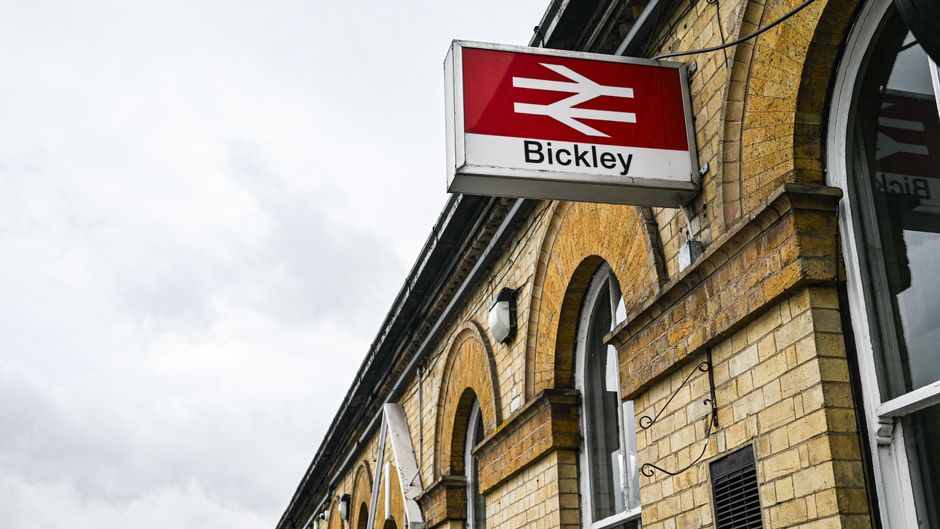
If you use East Finchley station regularly, you already know how quickly a platform, pavement, or station forecourt can go from tidy to cluttered. A dropped coffee cup here, a takeaway carton there, a forgotten leaflet in your coat pocket, and suddenly the whole commute feels a bit less pleasant. This guide to East Finchley station waste collection tips for commuters is built for exactly that everyday reality: quick, sensible habits that help you carry less litter, dispose of waste properly, and keep your journey smoother from the first train to the last step home.
Whether you are heading into central London, coming back from a late shift, or simply passing through with shopping bags and a half-empty snack wrapper, the small choices matter. The good news? Keeping on top of commuter waste is not complicated. You just need a system that fits real life, not a perfect one. And let's face it, perfect is overrated on a Monday morning.
In this article, you will find practical steps, a simple checklist, common mistakes to avoid, and a clear comparison of the best ways to deal with rubbish before it becomes someone else's problem. You will also find useful links to related local services and guidance where they genuinely help.
Why East Finchley station waste collection tips for commuters Matters
Station environments rely on a kind of quiet cooperation. Commuters carry their own waste, bins get used properly, cleaners can do their work, and the place feels orderly rather than rushed. When that breaks down, even a small amount of litter creates a chain reaction. One overflowing bin near the entrance makes people drop items nearby. A loose bottle rolls off a bench. Food wrappers end up in planters or, worse, on the pavement where the wind takes them further along the route.
At a local level, waste habits shape the commuter experience. If you arrive with a hot drink, a packed lunch, a newspaper, and a charging cable in your bag, you are already carrying several potential waste streams. Add a delayed train or a crowded platform and it becomes easy to make a lazy choice. That is normal. The trick is to make the right choice the easy one.
There is also a reputational angle that people often forget. Busy stations are part of the public face of a neighbourhood. Clean, well-managed spaces feel safer, calmer, and more cared for. For commuters, that matters more than it sounds. Nobody wants to start or end their day stepping around coffee lids.
Expert summary: the most effective commuter waste habit is not "doing more"; it is carrying a small system that makes disposal simple, fast, and low-fuss. If you build the habit once, it starts saving time every day.
If your waste problem is more than the odd wrapper or can, it may help to look at broader local disposal options too, such as rubbish collection in Finchley or the wider waste removal Finchley service range. Those are useful when commuter habits spill over into home clear-outs, office waste, or bulky items you cannot just carry on a train.
How East Finchley station waste collection tips for commuters Works
The idea is simple: reduce what you bring, separate what you can, hold onto waste until you find the right bin or disposal point, and avoid turning "I'll deal with it later" into litter. In practice, commuter waste collection is a mix of planning and timing.
Think of it in three layers:
- Before the journey - choose reusable items where possible, and avoid unnecessary packaging.
- During the journey - keep waste contained in one pocket, one compartment, or one small bag rather than scattering it across your day.
- After the journey - separate recyclables, food waste, and non-recyclable rubbish when you get somewhere suitable.
That may sound a bit obvious, but obvious is exactly what people forget when they are rushing for a train. A commuter with a sticky paper cup and a receipt in each hand will make different decisions from a commuter who has a dedicated waste pouch in their rucksack. Small setup, big difference.
For larger or more awkward items, commuter waste tips connect naturally with local disposal services. For example, a broken umbrella, old tablet, or spare office gadget is not station litter, but it is still waste that should be handled properly. In those cases, resources such as electronic waste management guidance can be a helpful next step. If your trip includes moving a chair, a small appliance, or a heavy item from one place to another, the right service category matters more than guessing and hoping for the best.
One useful way to think about it: commuter waste should be portable, contained, and easy to sort. If it is not, you need a better plan.
Key Benefits and Practical Advantages
Good commuter waste habits do more than keep a station clean. They save time, reduce stress, and help you travel in a more organised way. The benefits are practical, not theoretical.
- Less clutter in your bag - You stop carrying yesterday's coffee cup or crumpled receipts around for no reason.
- Faster exit at the end of the day - No rummaging through pockets on the platform because you already know where waste is stored.
- Cleaner hands and belongings - Food waste, leaky packaging, and sticky lids are less likely to touch everything else.
- Better habit formation - Repetition does the work for you; you do not need to keep "deciding" every time.
- More considerate travel - Other commuters, staff, and cleaners all benefit. That is not nothing.
There is also a surprisingly strong mental benefit. A tidy commute can make the whole day feel more manageable. Not magically, of course. But enough to notice. If you are the sort of person who feels calmer when your desk is clear, you will probably feel the same way about your travel bag.
For commuters who also live locally and want to keep their homes and travel routines less waste-heavy, it can be worth exploring domestic waste collection in Finchley or the broader recycling and sustainability guidance. The more your home system and travel system line up, the less effort everything takes.
Who This Is For and When It Makes Sense
These tips are for anyone who uses East Finchley station and does not want waste to pile up in the wrong place. That includes people who commute daily, hybrid workers who travel a few times a week, students carrying snacks and stationery, parents juggling bags and bottles, and evening travellers heading back after dinner, events, or late work shifts.
It makes particular sense if you:
- regularly buy drinks or food on the move
- carry small items that create packaging waste
- have limited time between trains
- want to avoid littering by mistake
- bring bulky or awkward items to work and back again
There is also a local relevance angle. Finchley is full of people moving between residential streets, stations, offices, shops, and event spaces. That means waste does not stay neatly in one category. A cardboard box from a delivery might become home waste, office waste, or event waste depending on the day. If you are dealing with a larger clear-out, related services like house clearance in Finchley or office clearance in Finchley may be more appropriate than trying to handle everything through ad hoc trips and guesswork.
Truth be told, most people do not need a grand system. They need one or two habits they can actually stick to. That is the real test.
Step-by-Step Guidance
1. Pack with waste in mind
Before you leave home, ask a simple question: what rubbish am I likely to create today? If you know you will buy lunch, bring a spare napkin or a sealable pouch. If you tend to drink bottled water, bring a reusable bottle instead. It sounds minor, but it cuts waste before it exists.
2. Keep one dedicated waste pocket or pouch
Having a single place for wrappers, receipts, tissues, and food packaging stops your bag from becoming a moving bin. Some commuters use an empty side pocket. Others use a small reusable bag or zipped pouch. Whatever works. The key is consistency.
3. Separate recyclables from general rubbish where you can
If something is clean and recyclable, keep it separate from food-stained waste. A damp napkin stuck to a paper carton can ruin the whole lot. That is one of those annoying little truths of daily travel.
4. Use bins responsibly and only when suitable
When you reach a bin, take the extra second to check what you are putting in. Overfilled bins are not an invitation to pile more on top. If the bin is already packed, hold onto the item until you find a better option.
5. Avoid leaving bulky or unusual items at the station
Umbrellas, broken electronics, packing materials, or old office items should not be left near a bin or bench. If you need to dispose of them properly later, services such as white goods and appliance disposal in Finchley can help with heavier household items, while furniture disposal in Finchley is better suited to larger pieces.
6. Empty your waste pouch at home or work
Do not let the bag grow into a permanent holding area. Empty it the same day if possible. The longer you leave food wrappers or tissues in there, the more likely smells, spills, and forgetfulness become. Nobody wants that little surprise at the bottom of a rucksack on Thursday morning.
7. Reset your routine after busy days
After a late return, event, or shopping trip, take a minute to restock your bag: one spare bag, one tissue pack, one reusable bottle, and maybe a fold-flat tote. That tiny reset pays off all week.
Expert Tips for Better Results
The best commuter waste habits are not flashy. They are friction-free. Here are the details that tend to make the difference.
- Choose containers that close properly. Open packaging leaks. It is a nuisance on a crowded platform and a real mess in a bag.
- Keep a small spare carrier bag folded away. It is handy for unexpected waste, wet packaging, or a sudden shopping detour.
- Build a "clean first, dirty second" rule. Put clean recyclable items in one section and food waste in another.
- Check your coat pockets before boarding. Tickets, tissues, sweet wrappers, and receipts hide there in the most annoying way.
- Use commute time to reset mentally. If you have five minutes on the platform, that is often enough to sort what is in your hands before you get home.
- Keep an eye on bag weight. If your work bag is getting heavier by the day, it may contain more waste than you think.
There is also a broader recycling angle worth remembering. If your rubbish often includes mixed items, cardboard, or old household bits, the right disposal route matters more than simply binning everything together. When you need a more structured approach, services overview pages can help you understand the kinds of waste handled locally, and waste carrier licence and compliance information is useful if you are choosing a provider for larger clearances.
One last thing: if you are travelling with hot drinks, do not wait until the cup has become a small science experiment. Empty or secure it quickly. The smell alone can take over a bag. Been there, regretted that.
Common Mistakes to Avoid
Most commuter waste mistakes are not dramatic. They are small, repeated, and easy to miss until the habit is already formed.
- Using the first available bin no matter what. If it is full, wet, or inappropriate for the item, hold onto it.
- Mixing food waste with paper or card. One soggy item can make the whole batch harder to recycle.
- Leaving items on benches "just for a minute." That minute is how litter starts.
- Assuming someone else will clear it. Station staff and cleaners already have enough to do.
- Forgetting waste in bags for days. That creates smell, leaks, and clutter.
- Bringing bulky waste into the commute routine. If it is too awkward to carry safely, it probably needs a better disposal route.
A common pattern is the "I'll sort it when I get home" problem. Sometimes that works. Often it does not. The item gets dropped on a kitchen counter, then moved to the hallway, then ignored. A better approach is to give every waste type a next step before you set out.
If you are regularly clearing bigger items as part of moving, downsizing, or renovating, it may be smarter to arrange a proper collection rather than improvising. In that case, a local option like same-day rubbish removal in Finchley Central and N12 can be a practical fallback when time is tight.
Tools, Resources and Recommendations
You do not need a kit worthy of an expedition. Just a few reliable basics.
| Tool or item | Why it helps | Best for |
|---|---|---|
| Small reusable pouch | Keeps wrappers, receipts, and tissues together | Daily commuters |
| Foldable tote bag | Useful for unexpected purchases or mixed waste | Hybrid workers and shoppers |
| Reusable bottle or cup | Reduces disposable packaging | Regular drink buyers |
| Mini hand sanitiser | Handy after handling food waste or bin lids | Busy platforms and peak hours |
| Small zip bag for recyclables | Stops clean items getting contaminated | People carrying lunch or snacks |
For bigger waste decisions, the useful rule is: match the solution to the waste type. That may mean general rubbish collection, domestic collections, furniture disposal, or specialist help for electrical items. If you are handling a heavier mix of household material, browse the local options at waste removal Finchley or domestic waste collection Finchley so you are not trying to force the wrong item into the wrong route.
If your day-to-day life is more office-heavy, the same logic applies to workplace waste. Things like packaging, old folders, or desk clear-outs are better managed through proper office-focused disposal than by dragging them back and forth on public transport. A clearer system means less hauling, less confusion, and fewer "I'll sort it later" moments.
Law, Compliance, Standards, or Best Practice
For commuters, the main compliance issue is straightforward: do not litter, do not dump waste at station entrances, and do not leave items in a way that creates a hazard or nuisance. That is the basic public expectation, and it is also the sensible one.
For anyone arranging a collection for items that are too large or awkward to handle themselves, best practice is to use a provider that can demonstrate proper waste handling and compliance. In plain English, that means looking for signs that waste is carried, transferred, and disposed of responsibly. If you are comparing services, waste carrier licence and compliance is the kind of page worth checking because it helps you understand what legitimate operation looks like in practice.
Safety matters too. Bags should be manageable, not overloaded. Sharps, broken glass, and heavy items should never be shoved into a commuter bag where they could injure you or someone else. If there is any risk of spill, cut, or contamination, use a safer route. Common sense first, always.
Where recycling is concerned, the usual best practice is simple: keep materials clean, separate where possible, and avoid contamination. If the item cannot be reliably sorted on the move, wait until you can do it properly. That is still better than guessing.
Options, Methods, or Comparison Table
Not every bit of waste needs the same answer. Here is a practical comparison of the main commuter options.
| Method | Best for | Pros | Limitations |
|---|---|---|---|
| Carry until you find a suitable bin | Wrappers, tissues, drink cups | Easy, immediate, low effort | Only works if a proper bin is available |
| Keep in a dedicated waste pouch | Mixed day-to-day commute waste | Very tidy, prevents bag mess | Needs a daily emptying habit |
| Separate recyclables for later disposal | Clean cans, cartons, paper | Improves sorting and reduces contamination | Not ideal for wet or dirty items |
| Use a local collection service later | Bulky or awkward waste | Safer, more practical for larger items | Requires planning and sometimes cost |
| Do nothing and "sort it out later" | Honestly, nothing good | Feels convenient in the moment | Usually ends in clutter, smell, or litter |
The last row is the one to avoid. People laugh, but that is how a work bag ends up smelling faintly of old chips and regret.
Case Study or Real-World Example
Picture a commuter who takes the same route through East Finchley most weekdays. They buy a coffee on the way in, eat lunch at their desk, and often stop for a snack on the journey home. Before they changed their routine, waste ended up in three places: the coat pocket, the side of the rucksack, and the kitchen counter at home. None of it was catastrophic. It was just messy.
Then they made three small changes. First, they started carrying a compact pouch for wrappers and receipts. Second, they switched to a reusable bottle and cup on most days. Third, they emptied the pouch every evening before charging their phone. That was it. No dramatic overhaul, no complicated system.
Within a week or two, the bag felt lighter. The platform routine felt faster. Home felt tidier. And because the waste was already contained, there was far less temptation to drop a wrapper in the wrong place when trains were delayed or the station was crowded. Simple habits, but they work.
This is often the best kind of local improvement: not flashy, just quietly effective.
Practical Checklist
Use this before or after your journey to keep commuter waste under control.
- Carry one dedicated waste pouch or compartment.
- Bring a reusable bottle or cup where possible.
- Separate clean recyclables from food waste.
- Empty your waste bag or pouch the same day.
- Do not leave items on benches, steps, or ledges.
- Avoid overfilling bags with sharp or leaky items.
- Use a proper disposal route for bulky or electrical waste.
- Check your pockets and bag before boarding home.
- Reset your commuter kit once or twice a week.
- Choose the disposal method that fits the item, not just the quickest one.
If you are doing a bigger clear-out and need more than commuter-level habits, it may help to look at loft clearance in Finchley or builders waste disposal in Finchley depending on what you are dealing with. Different waste types need different handling, and trying to make one solution cover everything usually backfires.
Conclusion
Good commuter waste habits are really about reducing friction. When your rubbish is easy to carry, easy to sort, and easy to dispose of properly, you are far less likely to create mess by accident. That is the heart of East Finchley station waste collection tips for commuters: small, reliable habits that keep your journey cleaner without making it feel like a chore.
Start with one change. Maybe it is a small pouch for wrappers. Maybe it is a reusable cup. Maybe it is simply emptying your bag at the end of the day instead of letting waste accumulate. One change is enough to begin. Then another. Before long, it becomes second nature, and you stop thinking about it so much.
Get a free quote today and see how much you can save.
And if you have ever had one of those days where everything is moving too fast and the smallest routine saves the whole afternoon, you already know why this matters. A tidy commute is a calmer commute. Simple as that.